
Inside a Vietnam Loofah Factory: From Raw Fiber to Finished Product
Understanding the Vietnam loofah factory processing line helps buyers ask better sourcing questions than price alone. Raw loofah gourds pass through several manual and semi-manual stages before they become a sellable product, and each stage affects final quality.
From harvest to raw material intake
Mature loofah gourds are harvested, dried in the field or under cover, and delivered to the factory as raw fiber skeletons. Intake inspection separates usable material from gourds with excess mold, insect damage or structural weakness before any processing cost is added.
Cutting, washing and bleaching stages
Fiber is cut to target lengths, washed to remove seeds and residue, and, where specified, lightly treated to even out natural color. Buyers who need an unbleached or minimally processed product should confirm this requirement before production, since it changes handling steps.
Drying and moisture control
Consistent drying is one of the most important controls in the line. Fiber that is packed while still damp is a leading cause of mold and odor complaints after shipment, so factories should document drying time and moisture checks, not just visual dryness.
Sorting, stitching and packing
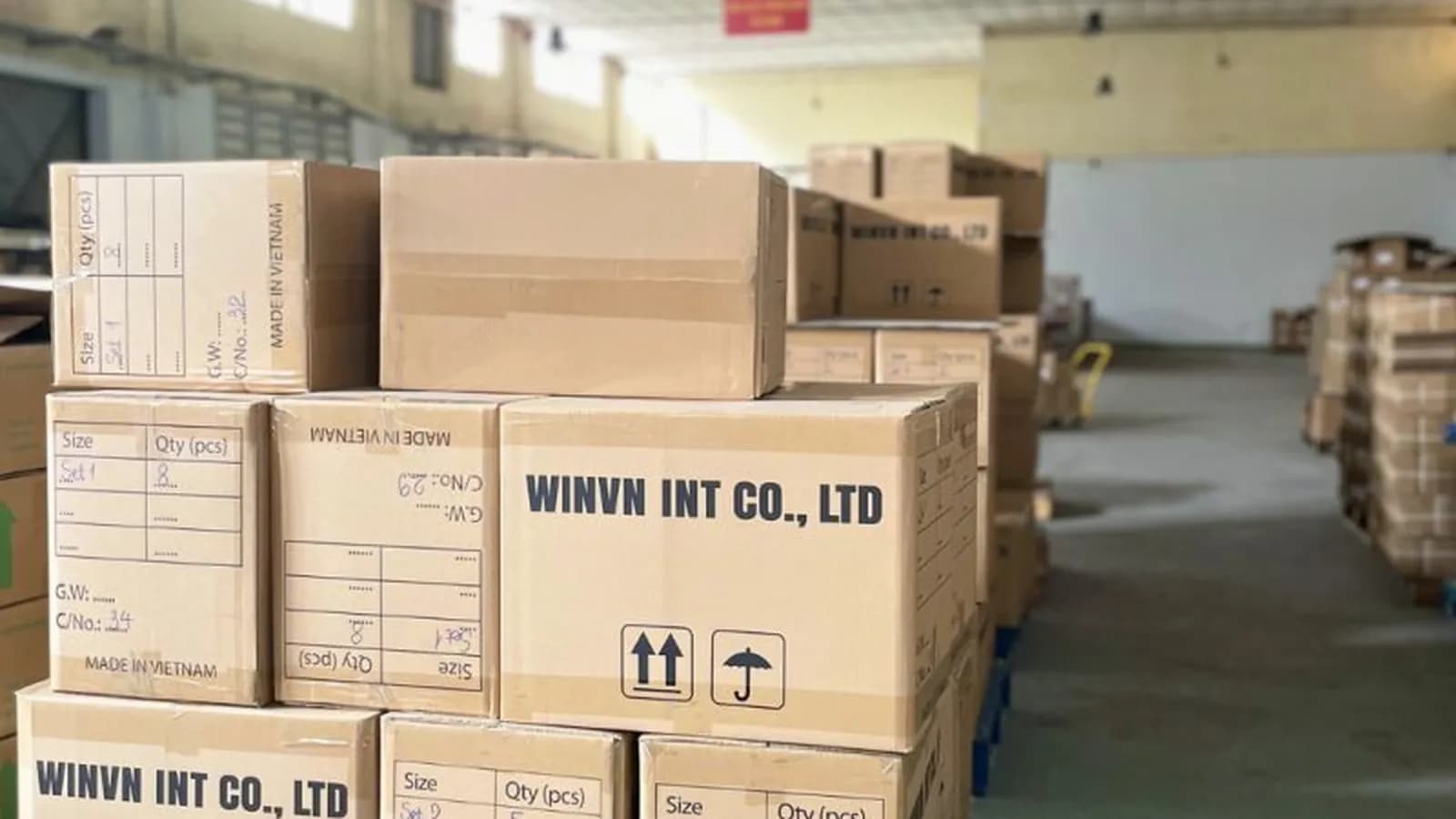
Dried fiber is sorted by size and density, cut or stitched into the ordered format, and packed according to the agreed carton specification. A transparent factory will allow photo or video documentation of these stages for a buyer's records.
For more on evaluating fiber before it reaches this stage, see how loofah fiber is graded and sorted and our factory audit checklist, or request a virtual factory walkthrough.