
Loofah Fiber Density and Grading Explained for Buyers
Loofah fiber density is one of the least standardized specifications in the category, yet it strongly affects how a finished product performs and feels. Buyers benefit from treating density as a measurable attribute rather than a marketing description like "soft" or "firm".
What density actually describes
Density refers to how tightly packed the fibrous mesh is within a section of loofah. Higher-density sections feel firmer and more abrasive; lower-density sections feel softer and compress more easily when wet.
How factories assess it
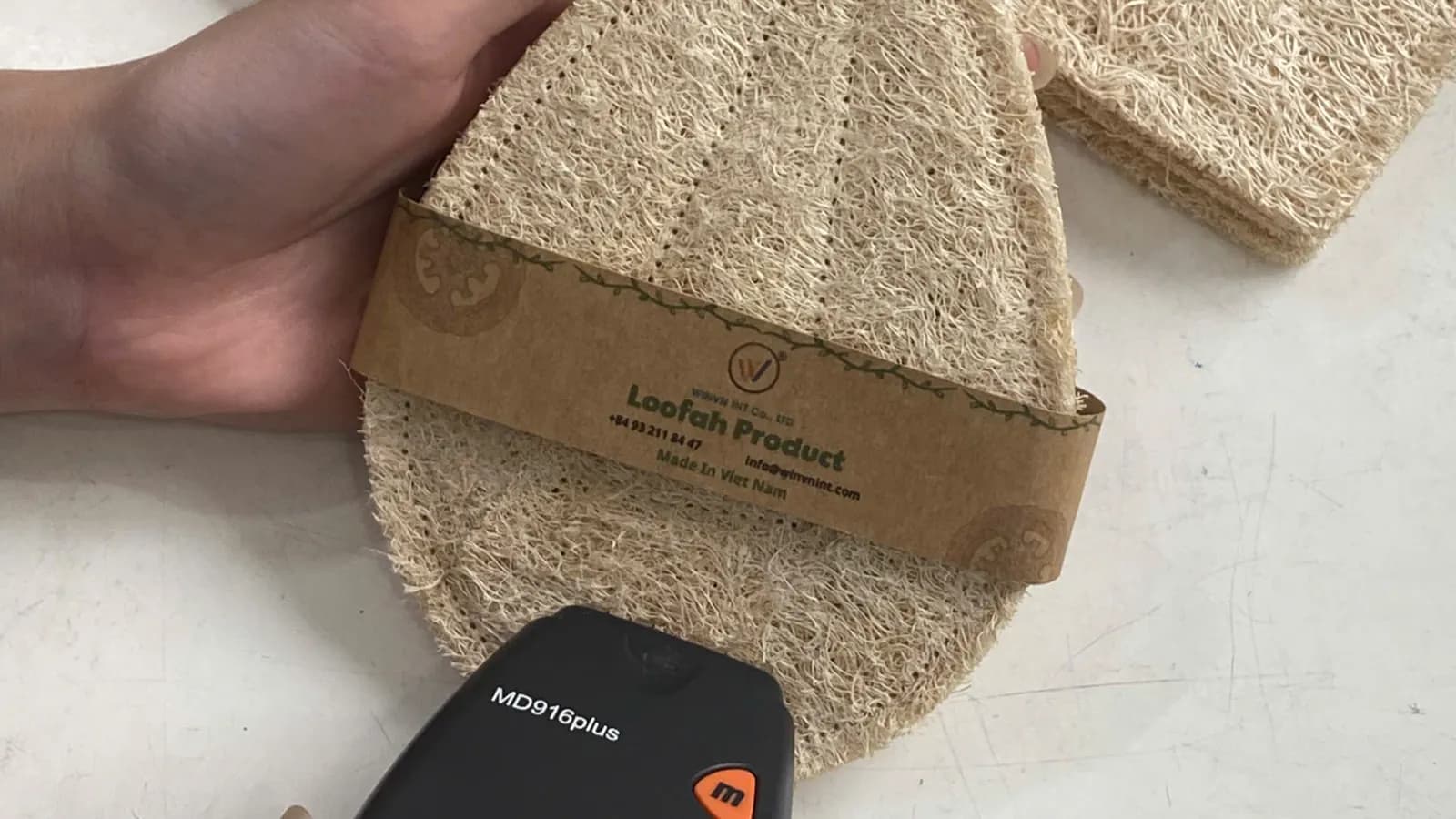
Assessment is typically manual: trained sorters compare sections by feel and visual mesh tightness against reference samples. Few factories use instrumented measurement, so a physical reference sample is the most reliable way to align expectations with a supplier.
Matching density to product use
Facial and sensitive-skin products generally use lower-density sections, body scrubbers and back brushes often use medium density, and heavy-duty dish or industrial-adjacent scrubbing uses higher density. State the intended end use so the supplier can propose an appropriate range.
Putting density in a purchase order
Reference an approved physical sample by batch or photo, and describe acceptable variation rather than a single fixed value, since natural fiber will never be perfectly uniform. This avoids disputes at inspection over normal material variation.
Related reading: how loofah fiber is graded and sorted and how coarse should a loofah exfoliator be. Request density reference samples.