
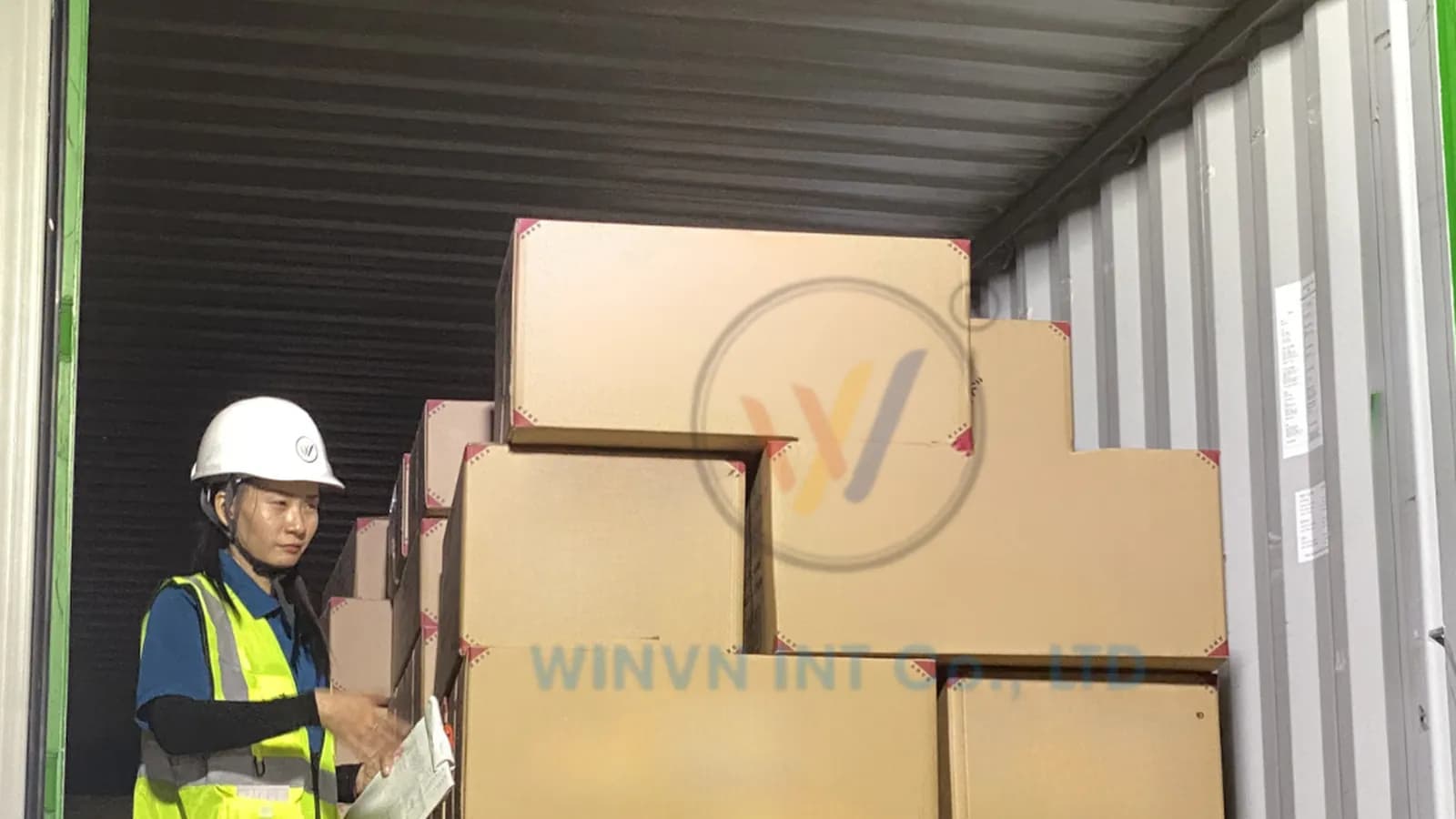
How a Loofah Container Is Loaded for Export
Loading a container efficiently matters more for loofah exports than for many heavier products, because volume, not weight, is usually the limiting factor. A well-planned load protects product condition and maximizes usable container space.
Planning the load pattern
Loading teams typically plan carton orientation and stacking pattern in advance based on carton dimensions, aiming to fill the container's cubic volume efficiently while leaving appropriate clearance near doors for safe unloading.
Securing the load
Depending on carton stability, loads may use blocking, bracing or strapping to prevent shifting during transit. Shifted cargo is a common cause of crushed cartons and damaged product on arrival.
Protecting product during loading
Loading should happen with a dry, covered process, avoiding exposure to rain or high humidity during the loading window itself, since a few hours of exposure can undo careful drying and QC work.
Final checks before sealing
Before the container is sealed, confirm carton count against the packing list, check for visible damage, and photograph the loaded container and seal number for the shipment record.
See also how many loofah units fit in a container and our container loading checklist. Discuss your container plan.