
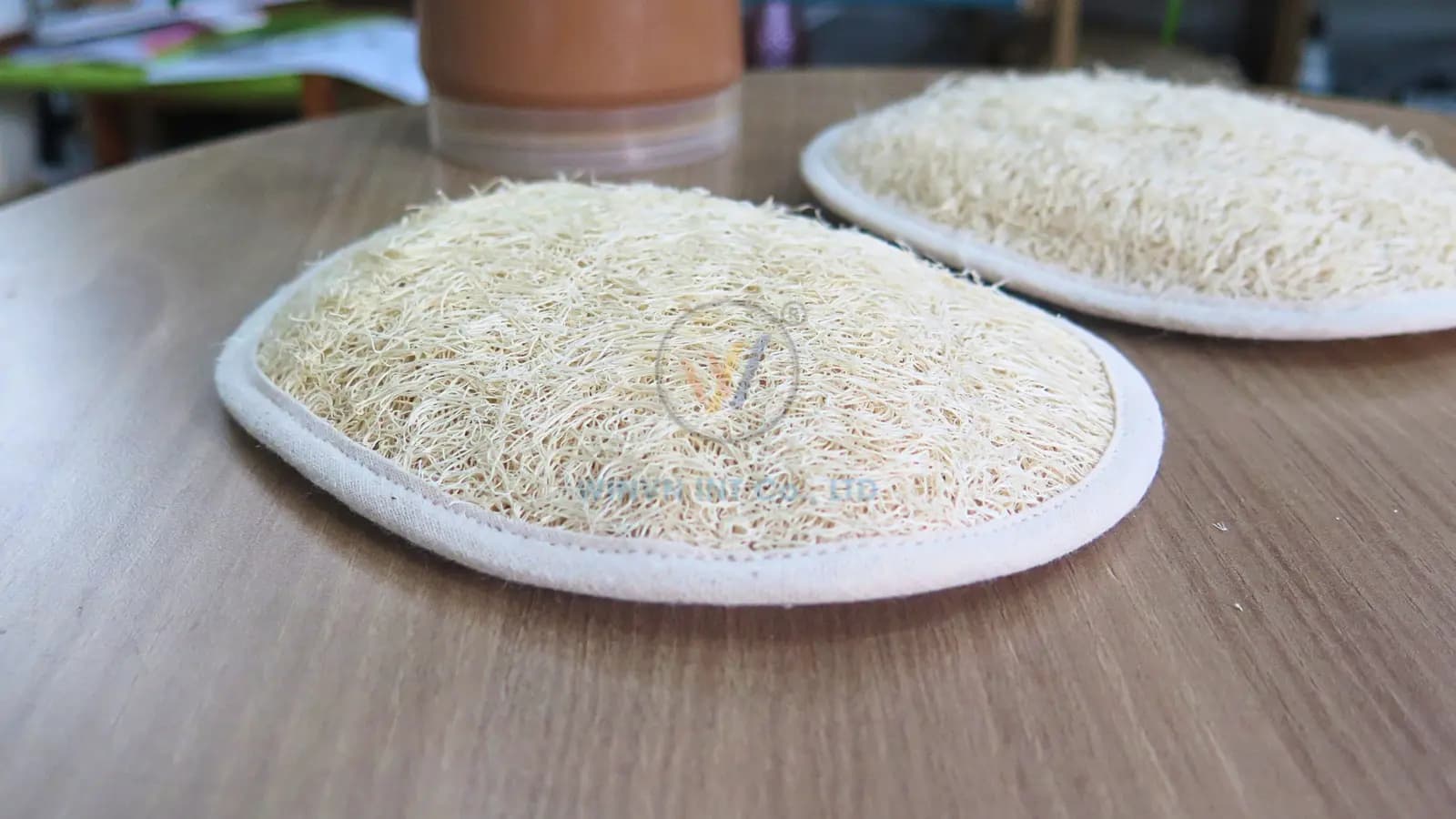
Private Label Loofah Manufacturer: From Sample to Retail-Ready Pack
A capable private label loofah manufacturer turns a product idea into a repeatable specification. The work includes more than applying a logo: product dimensions, fiber selection, stitching, packaging artwork, carton configuration and quality criteria all need approval.
Begin with a product brief
Define intended use, target retail price, pack count, dimensions, firmness, hanging loop or handle, label language, barcode needs and destination. A concise brief helps the manufacturer recommend realistic formats without creating unnecessary SKUs.
Sampling and golden-sample approval
Evaluate the loofah both dry and wet. Confirm size tolerance, hand feel, edge finish, seams and packaging fit. Once approved, keep a signed or photographed golden sample and an accompanying specification sheet as the production reference.
What “retail-ready” should include
Retail-ready loofah products may require a branded sleeve or box, scannable barcode, multilingual instructions, batch identification, importer or responsible-party information and shipping cartons designed for the retail channel. Requirements vary by market and seller model, so the buyer remains responsible for approving final artwork and compliance text.
MOQ depends on customization
Plain bulk products usually allow more flexibility than fully printed packaging. Printed boxes, multiple artworks and small quantities per SKU can raise setup cost. A staged launch—stock product, branded label, then custom pack—can reduce first-order risk.
Production checkpoints
Use an approved bill of materials, pre-production sample, in-process photo review and pre-shipment inspection. Confirm carton marks and pallet or container plan before dispatch.
See our private-label workflow for Amazon FBA and sample-kit guide, then send LoofahVN your brief.