
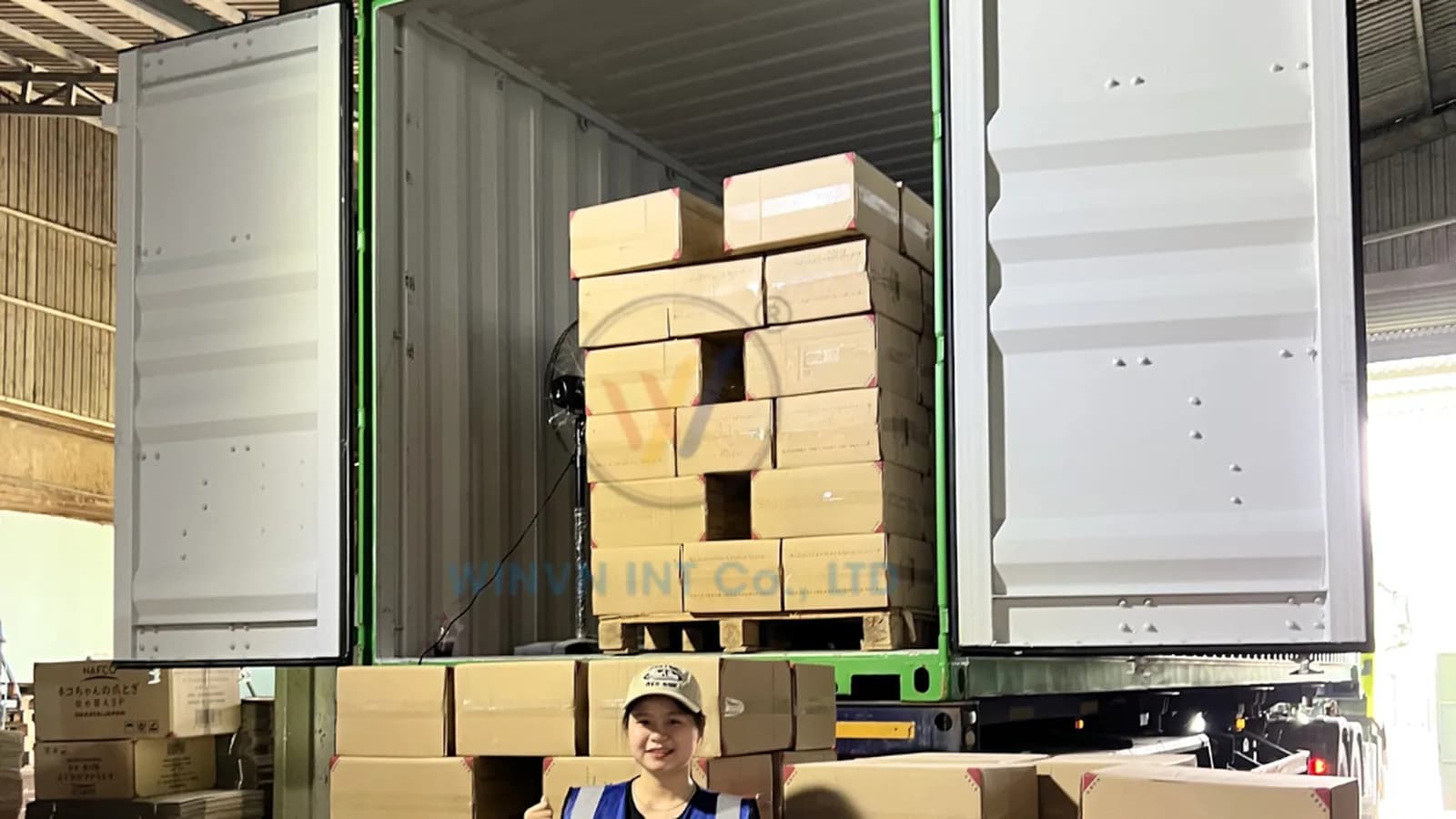
FCL vs LCL for Loofah Shipments: A Buyer's Guide
Choosing between FCL and LCL for loofah shipments depends on order volume, budget and how sensitive the product is to extra handling. Both options are common for buyers at different stages of growth.
When FCL makes sense
A full container load suits buyers with order volumes that fill, or nearly fill, a container, and it reduces per-unit freight cost while minimizing the handling and consolidation steps that can affect lightweight, moisture-sensitive cargo.
When LCL is the practical choice
Less-than-container-load shipping suits smaller or trial orders, letting a buyer test a product or market without committing to a full container's volume, though it typically costs more per unit and adds consolidation handling.
Handling and quality considerations
LCL shipments are consolidated with other cargo at a freight forwarder's warehouse, which adds handling steps. For a moisture-sensitive product like loofah, ask about the consolidation warehouse's conditions and typical dwell time.
Planning a transition from LCL to FCL
Many buyers start with LCL trial orders and move to FCL as order volume grows. Track your per-unit landed cost at each stage to identify the volume point where FCL becomes more economical for your business.
See also how many loofah units fit in a container and shipping lead time from Vietnam to the US. Get an FCL and LCL quote comparison.