
Compressed Loofah Packaging for Amazon FBA and Bulk Shipping
Compressed loofah packaging can reduce shipment volume, but compression must be validated as a product process—not treated as a simple packing shortcut. The final pack must protect the fiber, recover to the intended form and meet the sales channel’s labeling and dimension rules.
Why buyers consider compression
Loofah is lightweight but can occupy significant volume. Controlled compression may improve carton utilization and help an Amazon FBA loofah supplier design a more compact sellable unit. The commercial benefit depends on the product shape, pack count and route, so compare landed cost rather than freight alone.
Run recovery tests
Test multiple compression levels and storage durations. After opening, measure dimensions, shape recovery, fiber damage, odor and user preparation time. Include clear instructions if water is needed to restore the product. A pack that looks efficient in transit but disappoints the end customer is not a successful design.
Packaging and fulfillment checks
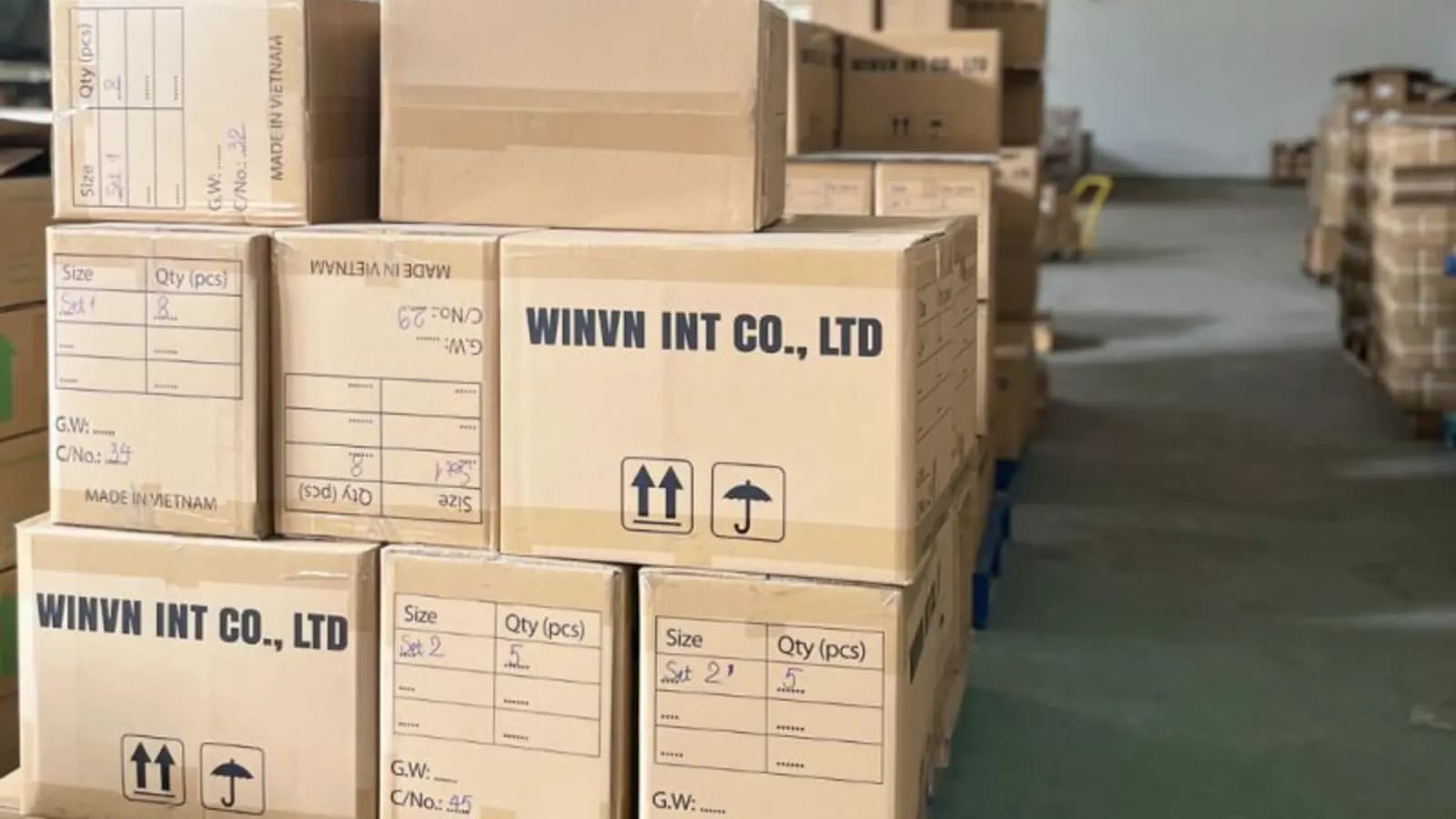
Confirm sealed dimensions and weight, barcode placement, suffocation warnings where applicable, country-of-origin marking, carton quantity and protection from moisture. Marketplace requirements change; sellers should verify the current rules in Seller Central before approving production artwork.
Bulk versus retail compression
Bulk compression can serve B2B repacking, while retail compression includes the consumer-facing pack. These formats need different testing, labels and opening experience. Specify which party will restore, label or repack the product.
For related planning, read Private Label Loofah for Amazon FBA and wholesale pricing, MOQ and lead times.