
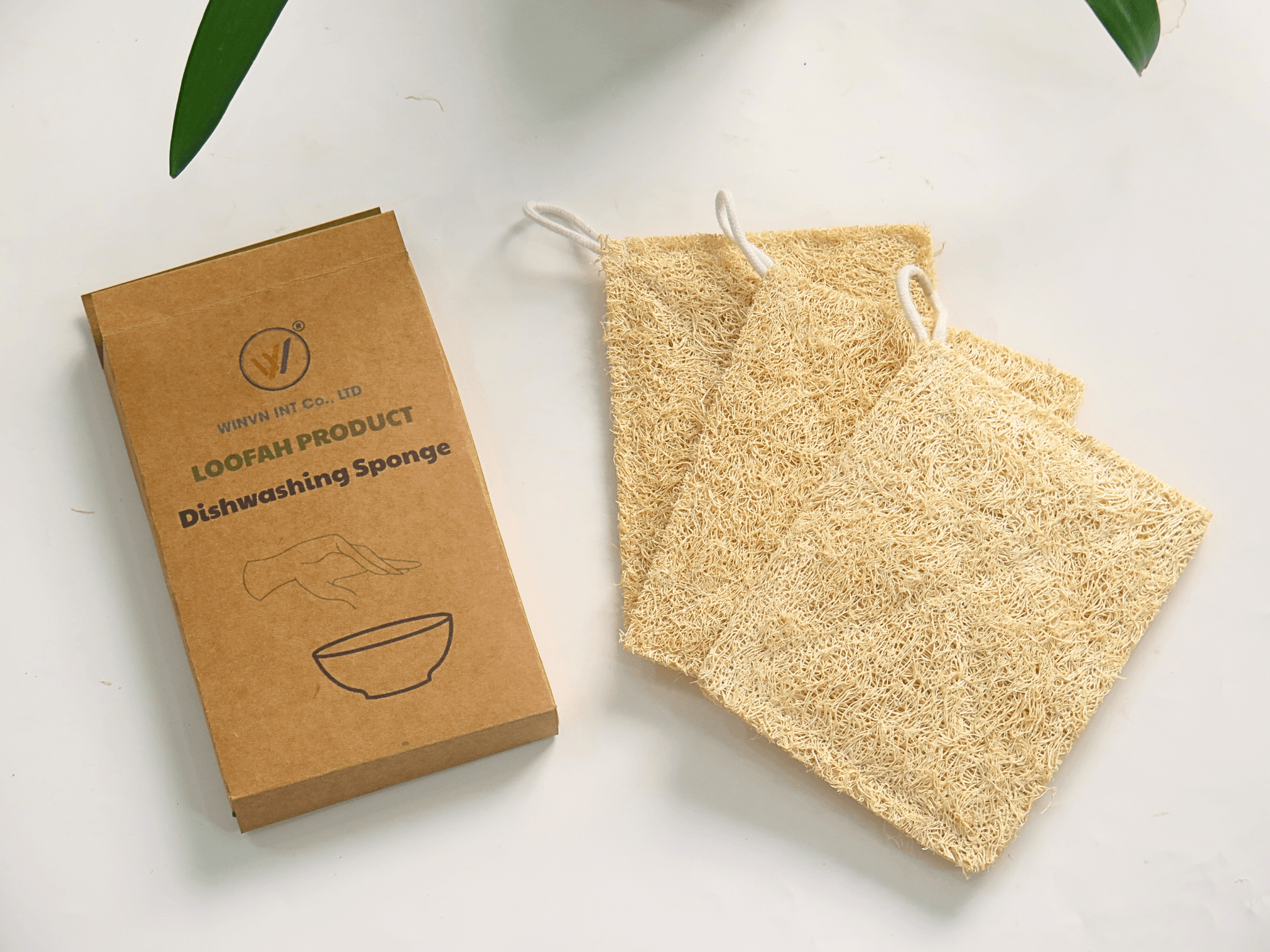
Is It Safe to Use a Loofah Every Day?
Yes, you can use a loofah regularly.
But daily use depends on your skin type, the loofah texture, and how gently you use it.
A natural loofah is designed to cleanse and exfoliate.
It can help remove dead skin cells, create lather, and make a bath routine feel cleaner and more refreshing.
But like any exfoliating product, it should be used with care.
The goal is not to scrub harder.
The goal is to clean better.
If your loofah feels too rough, if your skin becomes red, or if you use it aggressively every day, it may irritate your skin.
Used correctly, a natural loofah can be part of a simple, plastic-free body care routine.
Used incorrectly, it can become too harsh.
This guide explains when daily loofah use is safe, when to avoid it, and how to use a loofah properly.
Can you use a loofah every day?
For many people, gentle daily use is possible.
But it should be light.
A loofah should not be used like sandpaper.
It should be softened with warm water first, used with soap or body wash, and moved gently over the skin.
Daily use is more suitable for:
Normal skin.
Oily skin.
Areas with thicker skin such as arms, legs, elbows, knees, heels, and back.
Daily use may not be suitable for:
Very sensitive skin.
Damaged skin.
Sunburned skin.
Acne-prone areas.
Skin with cuts, rashes, or irritation.
If your skin feels tight, painful, red, or itchy after use, reduce frequency.
A loofah should leave the skin feeling clean, not damaged.
Why loofah texture matters
Not every loofah feels the same.
Texture depends on fibre maturity, processing method, thickness, and product design.
A mature natural loofah usually has stronger fibre.
When soaked in warm water, it softens and becomes more comfortable for body care.
This is why a loofah should be wet before use.
Using a dry loofah directly on skin can feel too harsh.
For daily bath use, choose a loofah product that is designed for body contact, not heavy-duty scrubbing.
Examples include:
Oval exfoliating scrubber.
Droplet bath sponge.
Back scrubber belt.
These designs are easier to control than raw loofah pieces.
They help distribute pressure more evenly and make the bathing experience smoother.
How to use a loofah safely every day
1. Soak it first
Before using a loofah on your body, wet it with warm water.
Let the fibre soften.
This step is important.
A softened loofah feels more comfortable and reduces the risk of scratching.
2. Add soap or body wash
Apply soap or body wash to the loofah.
The fibre structure helps create lather.
This makes cleansing smoother and reduces friction on the skin.
3. Use light pressure
Do not press too hard.
Let the loofah texture do the work.
Move in gentle circular motions.
Avoid scrubbing the same area for too long.
4. Focus on suitable areas
Daily use is usually better for:
Arms.
Legs.
Feet.
Back.
Shoulders.
Elbows.
Knees.
Be more careful with:
Face.
Neck.
Chest.
Underarms.
Sensitive or irritated areas.
For the face, a loofah is usually too rough unless it is specifically designed as a very soft facial product.
5. Rinse your skin well
After exfoliating, rinse your body with clean water.
Do not leave soap or exfoliated residue on the skin.
6. Moisturize if needed
If your skin feels dry after showering, apply moisturizer.
Exfoliation can make the skin feel fresh, but it can also remove surface oils.
Moisturizing helps maintain comfort.
How often should sensitive skin use a loofah?
Sensitive skin should not start with daily use.
Start with 1–2 times per week.
Watch how your skin reacts.
If there is no redness, dryness, or irritation, you can slowly increase frequency.
For sensitive skin, use:
Warm water.
Light pressure.
Short contact time.
A softer loofah texture.
Mild soap or body wash.
Avoid using a loofah after shaving, sun exposure, or on inflamed skin.
Your skin should guide the frequency.
If it feels uncomfortable, use it less often.
Is loofah safe for exfoliation?
Natural loofah can be safe for exfoliation when used properly.
It helps remove dead skin cells and supports a smoother skin feel.
But over-exfoliation is a real problem.
Signs of over-exfoliation include:
Redness.
Burning feeling.
Dry patches.
Itching.
Skin tightness.
Stinging after applying skincare.
If these signs appear, stop using the loofah for a few days.
Let your skin recover.
Then use it less often and with lighter pressure.
A loofah should support your skin routine, not stress your skin.
Bath loofah vs kitchen loofah: do not mix them
This sounds obvious, but it matters.
A bath loofah should be used only for the body.
A kitchen loofah should be used only for dishes, vegetables, or household cleaning.
Do not use the same loofah for different purposes.
Bath loofahs and kitchen loofahs may have different shapes, textures, and hygiene requirements.
For body care, choose a product specifically designed for bath use.
For cleaning, choose a kitchen loofah sponge.
Keeping them separate protects hygiene and improves performance.
How to keep your daily-use loofah clean
If you use a loofah every day, cleaning and drying become more important.
After every use:
Rinse it thoroughly.
Squeeze out excess water.
Hang it in a ventilated place.
Keep it away from wet shower corners.
Let it dry fully between uses.
Do not leave it in a closed plastic container.
Do not keep it lying on a wet surface.
A loofah that stays wet for too long may develop odor or mold.
Daily use is only a good idea when the loofah can dry properly.
When should you replace a daily-use loofah?
Replace your loofah when you notice:
Musty smell.
Dark spots.
Weak or broken fibre.
Slimy texture.
Loss of shape.
Roughness that does not soften in water.
For daily use, replacement may be needed sooner than occasional use.
This is normal.
Natural loofah is a plant-based product.
It is meant to be used, dried, and replaced when its lifecycle is complete.
What makes a good daily-use bath loofah?
A good daily-use bath loofah should feel balanced.
Not too weak.
Not too harsh.
Not too thin.
Not too dense.
It should soften when wet.
It should create lather with soap.
It should rinse clean.
It should dry quickly.
It should have a shape that is easy to hold.
Product design matters.
A glove gives better control.
An oval scrubber works well for targeted areas such as arms and legs.
A droplet sponge fits comfortably in the palm.
A back scrubber belt helps reach the back and shoulders.
The right product depends on how the customer wants to use it.
For retailers: daily-use messaging must be careful
If you sell loofah products, avoid telling customers to scrub hard every day.
That can create complaints.
Better messaging is:
“Use gently.”
“Soak before use.”
“Rinse and hang dry after each use.”
“Avoid irritated or damaged skin.”
“Replace when fibre weakens or develops odor.”
This type of instruction protects the customer and the brand.
For Amazon sellers and eco shops, clear care instructions can reduce negative reviews.
Customers often blame the product when the real issue is misuse or poor drying.
Good education improves customer satisfaction.
Final answer: is it safe to use a loofah every day?
Yes, a loofah can be used every day by many people.
But it must be used gently.
Wet it first.
Use light pressure.
Avoid sensitive or irritated skin.
Rinse it well.
Hang it to dry.
Replace it when it smells, weakens, or shows dark spots.
For sensitive skin, start with 1–2 times per week.
A natural loofah should make your routine feel cleaner and more refreshing.
It should not hurt your skin.
Used correctly, it is a simple, effective, plastic-free tool for everyday bath care.
Looking for a natural bath loofah designed for gentle exfoliation? Explore our bath range, including loofah gloves, oval scrubbers, droplet sponges, and back scrubber belts.